Austin sits at an elevation of roughly 490 feet above sea level, but the real challenge lies below the surface: the expansive clay soils of the Blackland Prairie cover a significant portion of the city. With annual precipitation averaging 34 inches and long dry spells between storms, these soils cycle through extreme wet-dry states. Unsaturated soil analysis is the only way to capture the suction-driven behavior that controls volume change in these clay profiles. We combine filter-paper suction tests and axis-translation techniques to measure the soil-water characteristic curve, giving foundation engineers the data they need to design against heave and shrinkage. For deep foundations in reactive clays, we routinely pair this analysis with microtremores hvsr to evaluate seismic site effects on the unsaturated zone.
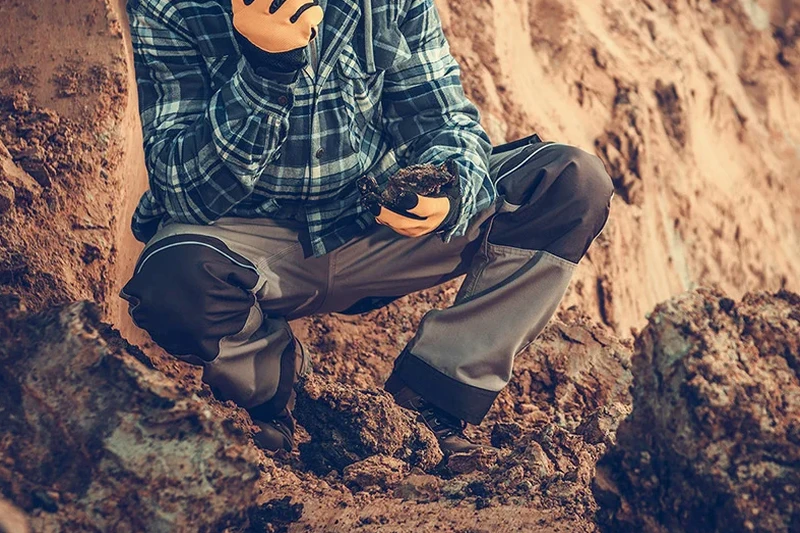
Ignoring suction in Austin's expansive clays can lead to slab heave exceeding two inches within a single season.