Austin sits on the Balcones Fault Zone, a tectonic hinge that juxtaposes Cretaceous limestone against deep alluvial clays along the Colorado River. We routinely find N-values below 10 blows/ft in the first 6m of fluvial deposits near Lady Bird Lake, while the upland Edwards Limestone can exceed 100 blows/ft. That is why the Standard Penetration Test (SPT) remains the backbone of our field investigation here — it captures the transition from soft clay to weathered rock in a single borehole. The SPT energy efficiency, measured at 60% per ASTM D4633, directly affects the corrected N60 used in bearing capacity and liquefaction screening. Before designing deep foundations, we always correlate the blow count with laboratory index tests to classify the clay plasticity, and we run seismic refraction profiles when the rockhead is erratic.
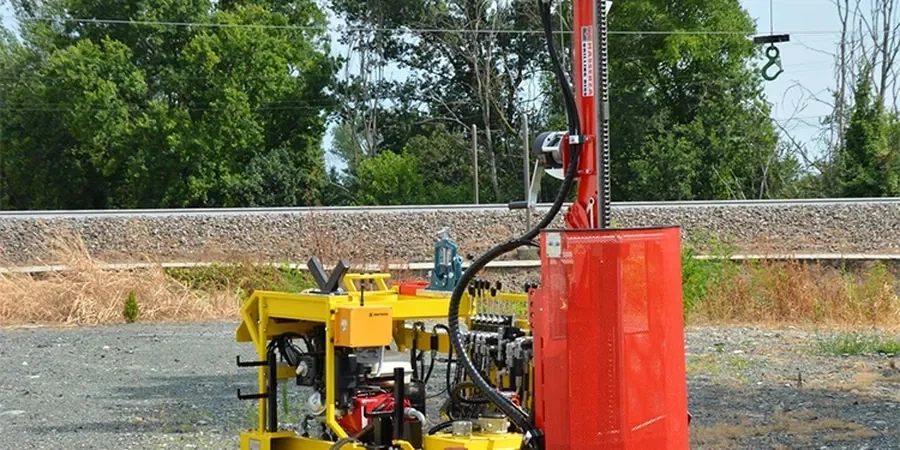
In Austin, uncorrected N-values can double between dry summer and wet winter due to clay suction — always correct for overburden and energy.