AUSTIN US
AUSTIN
HomeFoundationsBearing Capacity Analysis

Bearing Capacity Analysis in Austin – Reliable Foundation Design for Central Texas Soils

Rigorous testing. Clear reporting.

LEARN MORE

Austin sits at roughly 489 feet above sea level and spans over the Balcones Fault Zone, a geologic transition that mixes expansive clay with limestone bedrock. That combination makes bearing capacity analysis critical before any foundation work. We determine the maximum load the soil can support without failure, giving engineers the numbers they need for safe slab or footing design. Our lab follows ASTM D1586 for SPT and ASTM D2487 for soil classification, both required by IBC Chapter 18. For shallow foundations, results directly impact footing dimensions. For deep foundations, we correlate blow counts with end-bearing resistance. Before placing concrete, we recommend a placa de carga test to verify field modulus. This sequence avoids costly overdesign or underdesign.
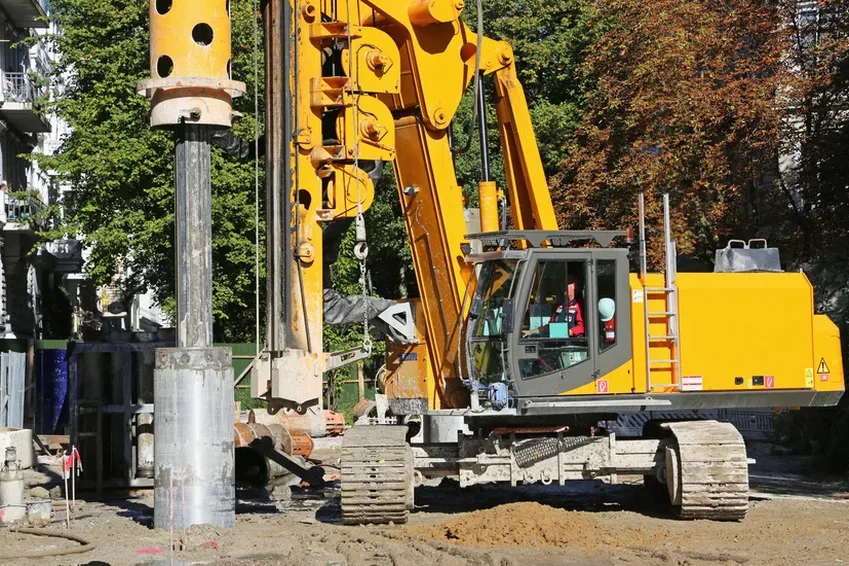
Illustrative image of Bearing capacity analysis in Austin
Bearing capacity analysis in Austin must account for the transition from expansive clay to fractured limestone beneath the Balcones Fault Zone.

Our service areas

This service complements our laboratory testing work for a complete project analysis.

Process overview

In Austin, we often see stiff clay overlaying weathered limestone. That dual-layer profile requires careful bearing capacity analysis at multiple depths. We run standard penetration tests in borings, then apply Terzaghi's bearing capacity equation modified for local conditions.
  • We test at 1.5 times the footing width for shallow spread footings
  • We correlate N-values from SPT to allowable bearing pressure per IBC Table 1804.1
  • We check for soft zones below stiff crust that could cause punching shear
For deeper foundations, we pair our analysis with ensayo SPT to refine end-bearing estimates in the limestone layer. Every report lists ultimate and allowable bearing capacity with the factor of safety applied.
Technical reference — Austin

Local context

A common mistake we see in Austin is assuming the stiff surface clay will hold a footing without deeper investigation. The crust can be deceiving. Below it, soft clay or weathered limestone pockets can reduce bearing capacity by half. If a contractor skips the bearing capacity analysis and pours a slab on that crust, differential settlement cracks appear within months. We've seen it on hillside lots near Lake Travis and on flat sites east of I-35. The fix costs more than the original test. Our analysis catches these weak zones before concrete cures.

Need a geotechnical assessment?

Reply within 24h.

Email: contact@geotechnicalengineering1.com

Relevant standards


ASTM D1586-18 (SPT), ASTM D2487-17 (USCS), IBC 2021 Chapter 18

Technical data

ParameterTypical value
Allowable bearing pressure (clay)2,000 – 4,000 psf
Allowable bearing pressure (limestone)8,000 – 15,000 psf
Factor of safety (shallow foundations)3.0
Factor of safety (deep foundations)2.0 – 2.5
SPT N-value correlation (Terzaghi)q_allow = N/0.08 (ksf)

FAQ


What is bearing capacity analysis and why is it needed in Austin?

Bearing capacity analysis calculates the maximum load the soil can support before shear failure or excessive settlement occurs. In Austin, the mix of expansive clay and limestone bedrock means values can vary widely within a single lot. Engineers need this number to size footings and slabs correctly per IBC code.

How much does bearing capacity analysis cost in Austin?

For a typical residential lot in Austin, the range is between US$690 and US$1,880 depending on the number of borings and the depth of testing. Commercial projects with multiple test pits or SPT borings fall at the higher end. We provide a detailed quote after reviewing the site plan.

What factors affect bearing capacity in Austin soils?

The main factors are soil type (clay vs. limestone), moisture content, density, and the presence of the Balcones Fault Zone. Expansive clays lose strength when wet, while weathered limestone can have variable fracture spacing. Our analysis accounts for all these variables using local correlations.

Location and service area

We serve projects across Austin.

Location and service area