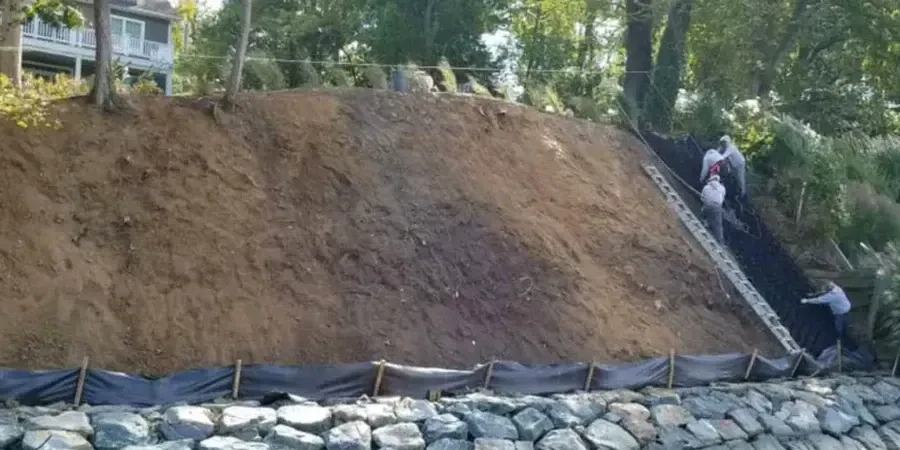
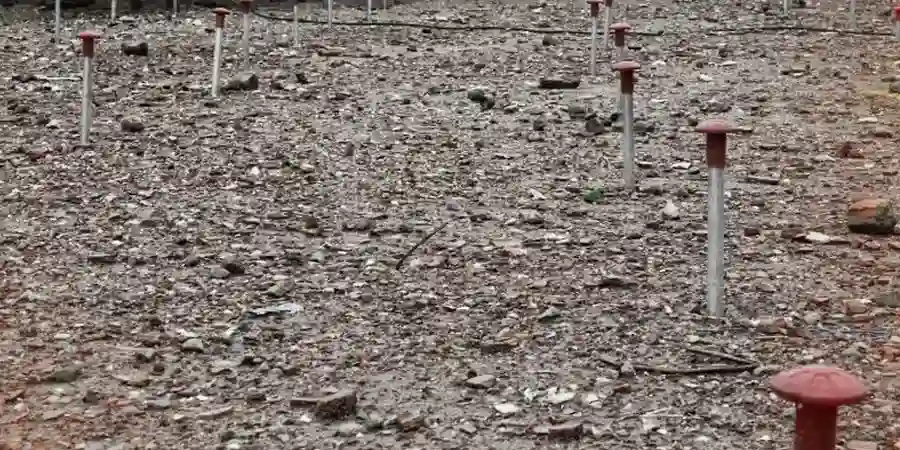
Clay-rich soils in East Austin behave very differently from the sandy limestone formations west of Mopac. A geotextile specification that works near the Colorado River floodplain will fail on a hillside in the Hill Country. For projects along the eastern edge of Austin, where expansive clays dominate, separation and filtration geotextiles require careful elongation and permittivity values. On the western side, where rock outcroppings and thin soil cover are common, puncture resistance becomes the primary parameter. Before finalizing a geotextile specification, engineers typically pair it with a subgrade evaluation to assess the existing support conditions and a permeability field test to confirm hydraulic compatibility with native soils. This local variability demands a specification that references ASTM D4873 for installation and ASTM D4759 for sampling frequency.
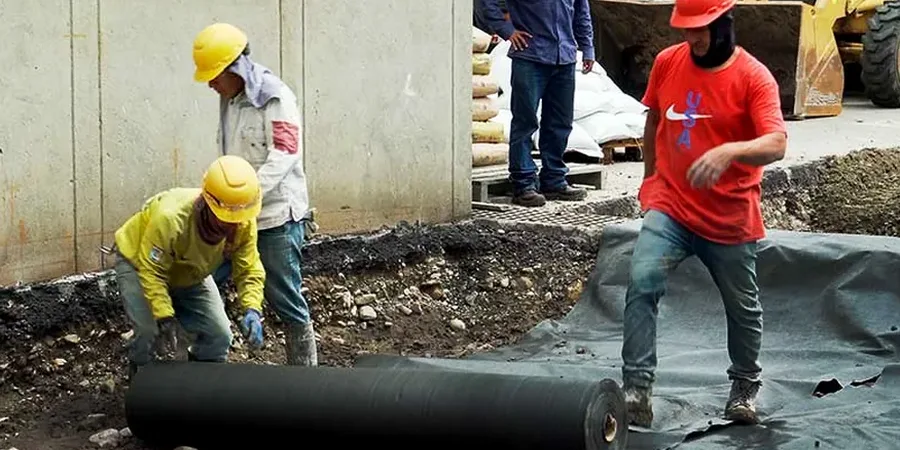
In Austin's expansive clays, an incorrect geotextile specification can reduce pavement life by half within three years.