AUSTIN US
AUSTIN
HomeImprovementDynamic Compaction Design

Dynamic Compaction Design in Austin

Rigorous testing. Clear reporting.

LEARN MORE

A 20-ton tamper drops from 25 meters onto the ground. On a site near the Colorado River, we watch the impact crater form and the surrounding soil settle. That is dynamic compaction design in Austin at work. The process improves loose fills and collapsible soils common in areas like Mueller and the East Side. Our team coordinates the drop pattern, grid spacing, and energy per point based on the target depth. Before we start, we always review the subgrade conditions with a plate load test to confirm the bearing capacity we can expect after treatment. The equipment we use is heavy and precise.
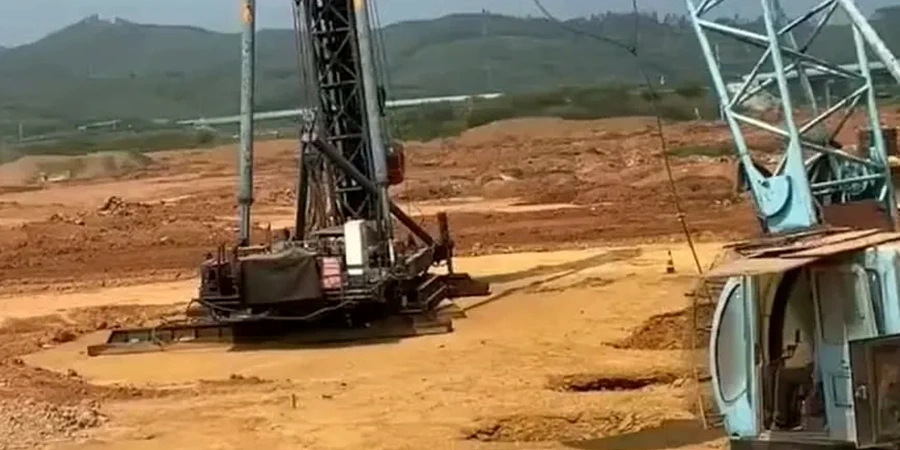
Illustrative image of Dynamic compaction design in Austin
The tamper energy reaches 300 tm per drop, and we apply multiple passes until the target density is verified in the field.

Our service areas

This service complements our laboratory testing work for a complete project analysis.

Process overview

Soil conditions vary sharply across Austin. On the West Side, the limestone bedrock sits close to the surface. On the East Side, deep clay and alluvial deposits dominate. Dynamic compaction design in Austin must account for that contrast. In East Austin, we often treat 8 to 12 meters of soft clay and loose fill. The tamper energy reaches 300 tm per drop, and we apply multiple passes. We also monitor pore pressure dissipation between passes. A recent project near the airport required grid spacing of 6 meters to achieve 80 percent relative density. Complementing the compaction with grouting helped seal voids in the deeper layers before the final pass.
Technical reference — Austin

Local context

A 15-story tower planned on the East Side faced a serious problem. The fill layer there was 10 meters thick and loose. Without dynamic compaction design in Austin, the building would have settled unevenly after construction. We saw differential settlements of up to 8 centimeters in nearby structures that skipped deep compaction. The risk is real: loose fill can collapse under load, and clay can undergo secondary consolidation. Our approach measures the improvement with post-treatment testing so you know the ground is stable before you pour the slab.

Need a geotechnical assessment?

Reply within 24h.

Email: contact@geotechnicalengineering1.com

Relevant standards


ASTM D1586 (SPT verification), ASCE 7 (load and settlement criteria), IBC Chapter 18 (excavation and fill), FHWA HI-07-037 (deep compaction guidelines)

Technical data

ParameterTypical value
Tamper weight15–25 tons
Drop height15–30 m
Grid spacing4–8 m
Energy per drop225–450 tm
Number of passes2–4 passes
Target depth6–12 m
Verification methodPlate load test + SPT

FAQ


How does dynamic compaction design in Austin handle the deep clay on the East Side?

We use higher tamper energy (up to 400 tm per drop) and tighter grid spacing to reach 10–12 meters of soft clay. Pore pressure monitoring between passes prevents excess water buildup and ensures consistent densification.

What is the typical cost range for dynamic compaction design in Austin?

For a typical project, the cost ranges between US$1.070 and US$3.690 depending on the site area, target depth, and number of passes. Larger sites with deeper fill require more energy and passes, which increases the price.

Can dynamic compaction be used near existing structures in Austin?

Yes, but we limit the tamper energy near structures and monitor vibrations with seismographs. We also pre-drill relief holes to reduce ground vibration transmission. The method works well on open sites with at least 15 meters of clearance.

Location and service area

We serve projects across Austin.

Location and service area