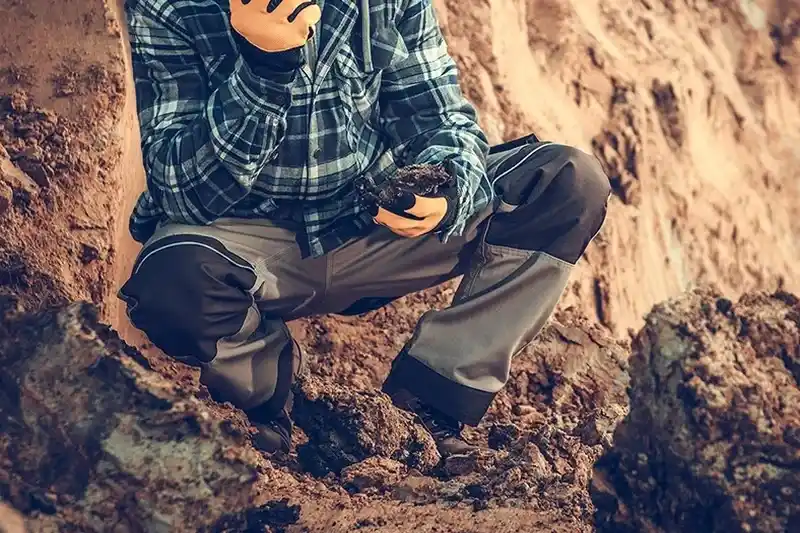
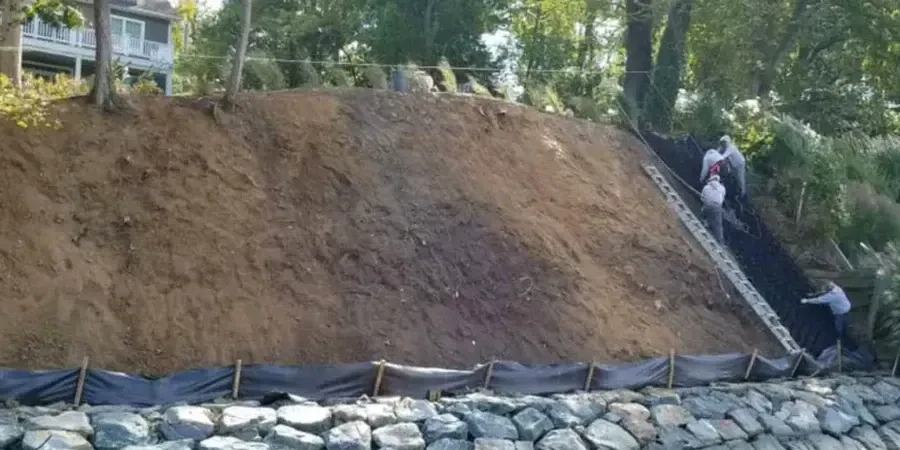
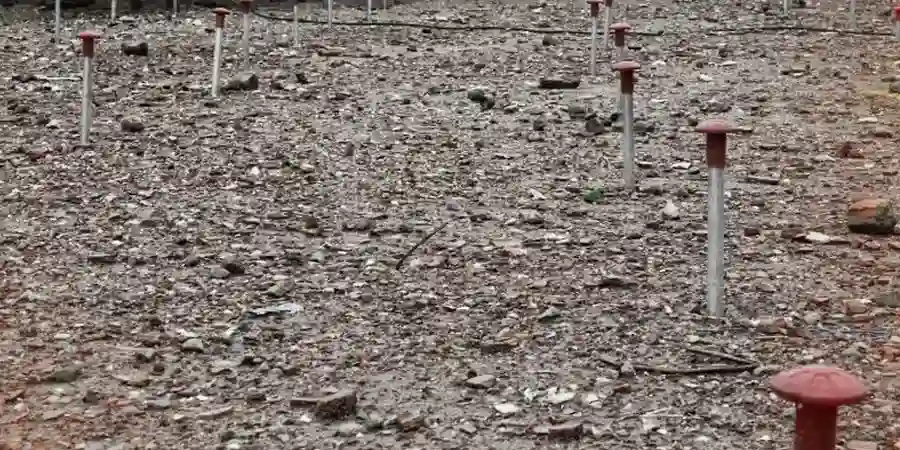
Soil conditions shift dramatically across Austin. In the western hills near Barton Creek, limestone bedrock often sits less than 3 meters deep, while east of I-35 the Colorado River floodplain deposits silty clays and sands extending 20 meters or more. That contrast makes it impossible to rely on a single geotechnical model for the whole city. Electrical resistivity and VES surveys let us map those transitions non-invasively, identifying buried channels, perched water tables, and weathered rock boundaries before we even mobilize a drill rig. We routinely combine this geophysical data with a targeted ensayo SPT program to calibrate resistivity profiles against direct penetration resistance.
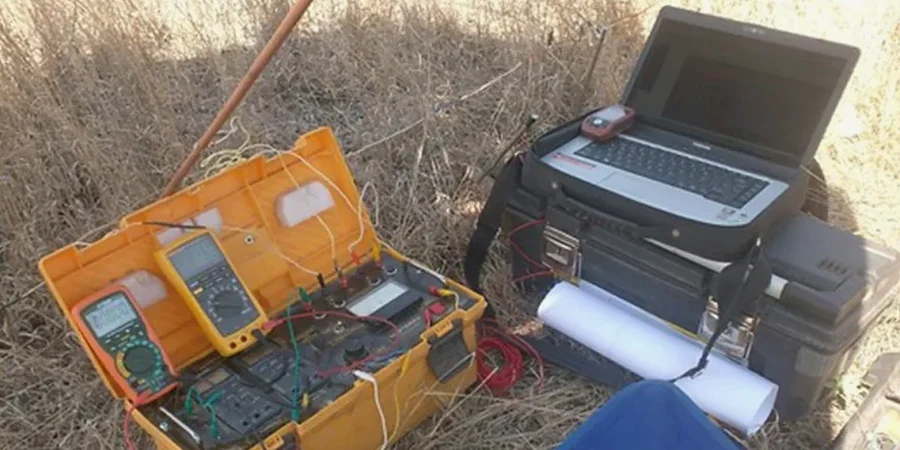
A single VES line can detect a buried channel or karst cavity that would take five boreholes to find with the same confidence.