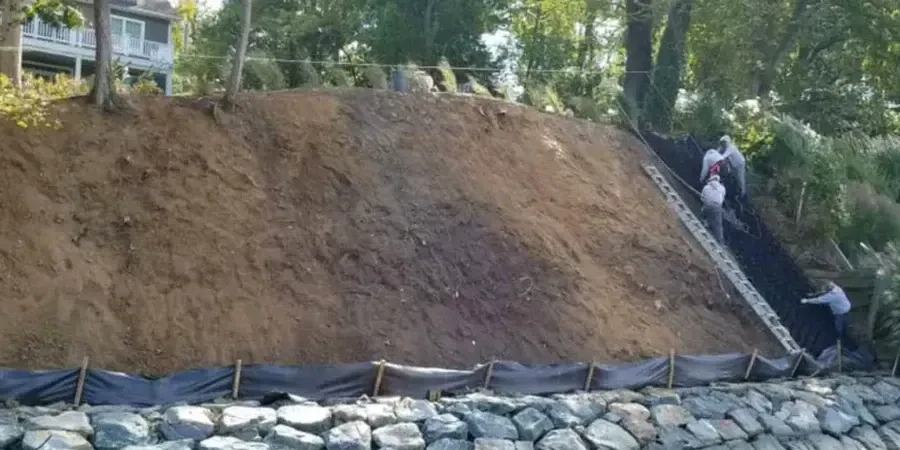
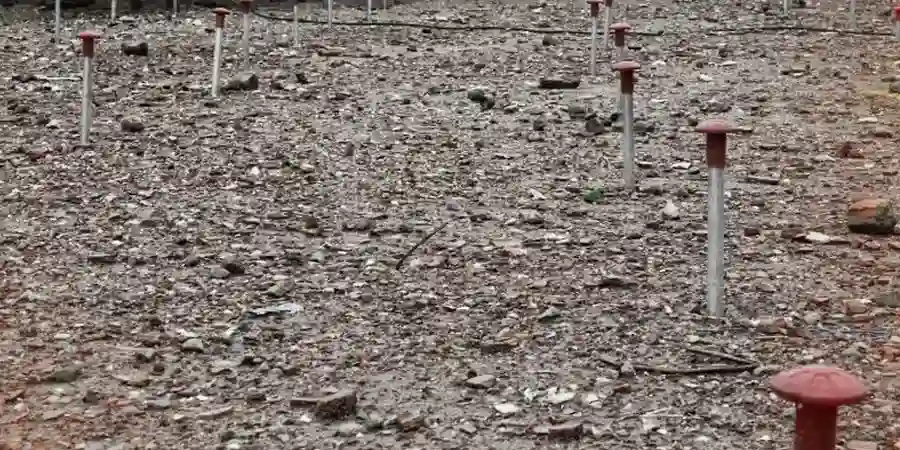
The subsurface profile beneath Austin alternates between expansive clay layers of the Taylor Group and the Glen Rose limestone formation, creating a challenging environment for any deep foundation intervention. Grouting design in Austin must account for this dual-lithology condition: the clay shrinks and swells with moisture changes, while the karstic limestone can contain solution cavities that intercept grout flow unexpectedly. For projects requiring groundwater cutoff beneath existing structures, the team often integrates the permeability control provided by a permeabilidad-campo test program to define the hydraulic conductivity of each stratum before specifying the grout mix parameters. The presence of the Edwards Aquifer recharge zone in the western part of the city adds regulatory constraints that directly influence the allowable grout formulations.
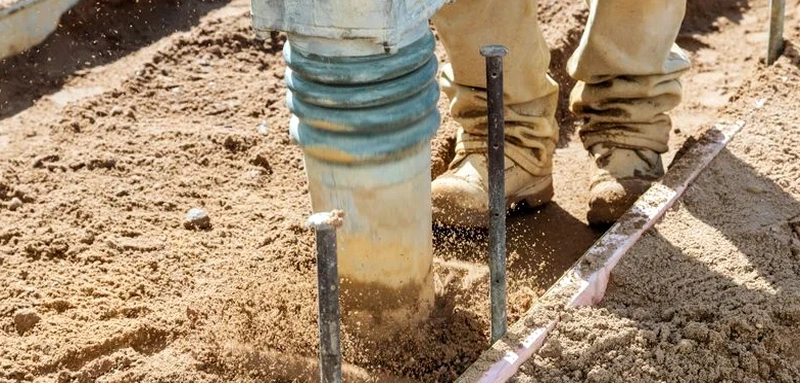
In Austin's karst terrain, grout travel can exceed theoretical radius by 300% if fracture mapping is omitted from the design phase.