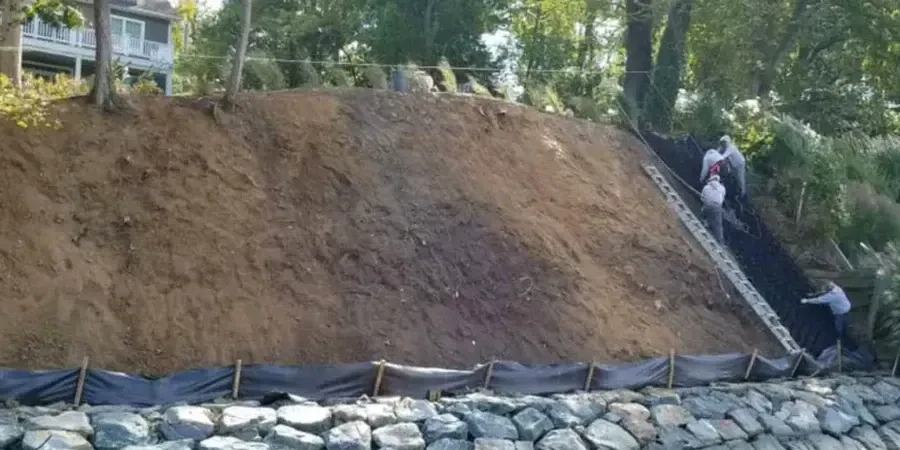
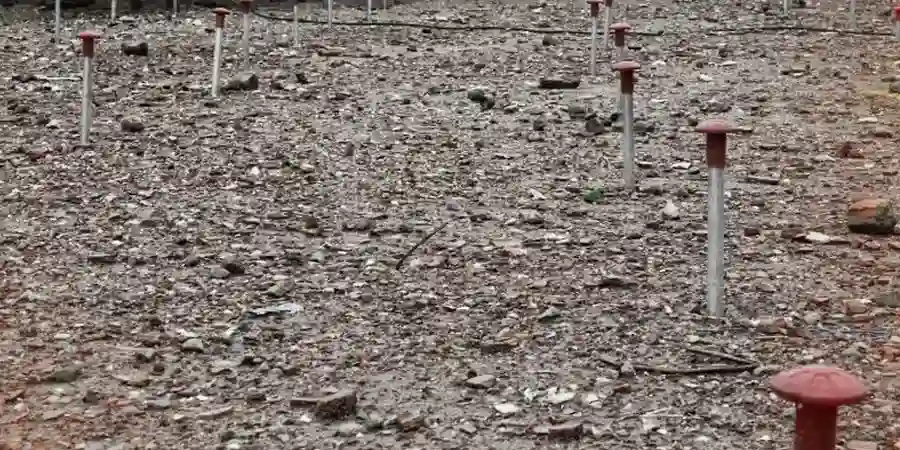
Austin sits atop the Blackland Prairie formation, where expansive clay soils dominate the subsurface profile. These high-plasticity clays, often classified as CH or MH under the Unified Soil Classification System, undergo significant volume changes with moisture variation. Before designing any slab-on-grade or deep foundation in this region, we determine the Atterberg limits — liquid limit, plastic limit, and plasticity index — to quantify shrink-swell potential. Our lab follows ASTM D4318-17 strictly, using the multipoint Casagrande cup method for liquid limit and the thread-rolling technique for plastic limit. This data feeds directly into the classification of soils report, which then informs structural design parameters like the expansion index (EI) required by the Texas Department of Transportation.
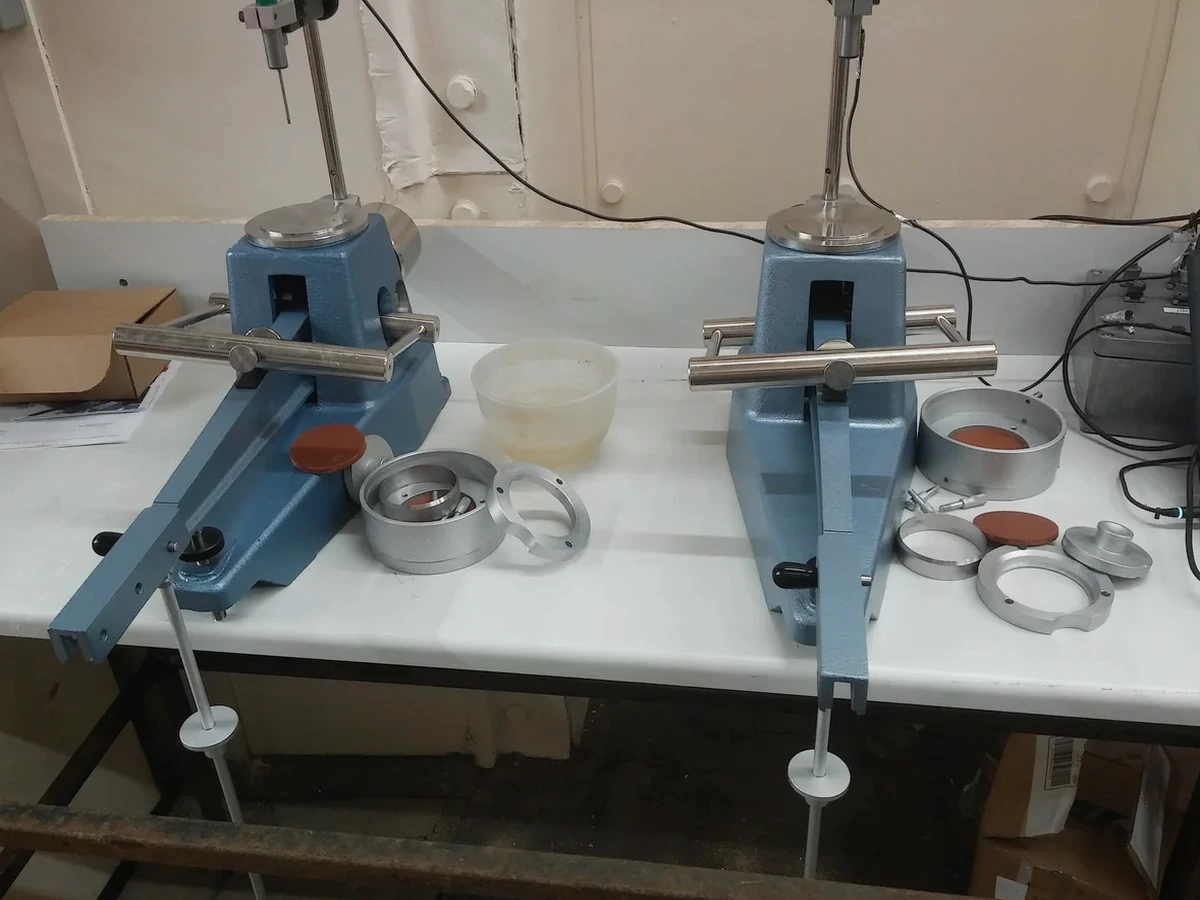
A plasticity index above 35 in Austin's Blackland clays signals severe shrink-swell potential — ignoring Atterberg limits can lead to slab heave exceeding 50 mm.