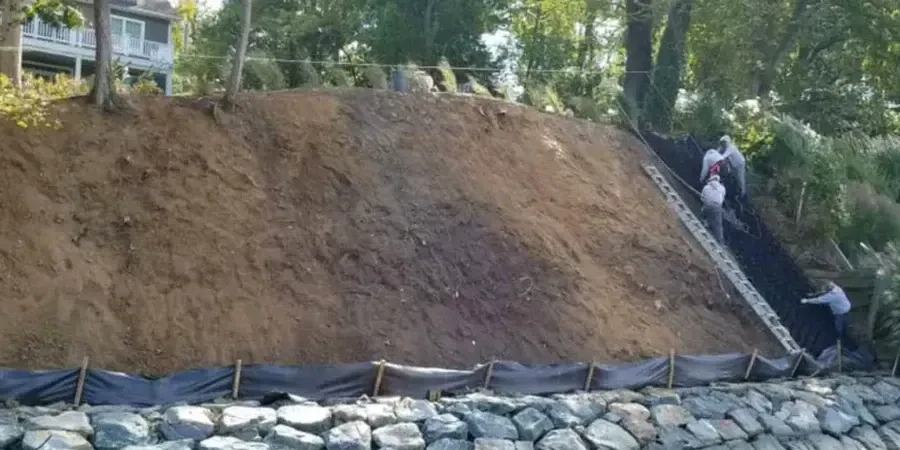
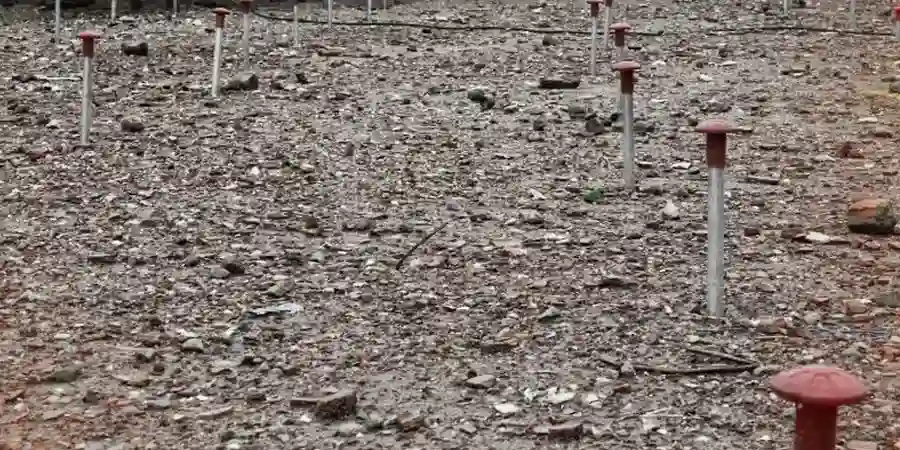
Austin sits on the Balcones Fault Zone, where the geology shifts abruptly from Cretaceous limestone to deep clay formations like the Taylor Group. That transition creates a nightmare for foundation design — you can have rock at 3 feet on one lot and 40 feet of plastic clay on the next. We run plate load tests (PLT) to measure in-situ bearing capacity and modulus of subgrade reaction right where the footing will go. Before we mobilize the hydraulic jack and reaction load, we usually dig a test pit to confirm the exact stratum at bearing level. That way the PLT results reflect the actual soil or rock the foundation will sit on, not a sample pulled from a borehole 50 feet away.
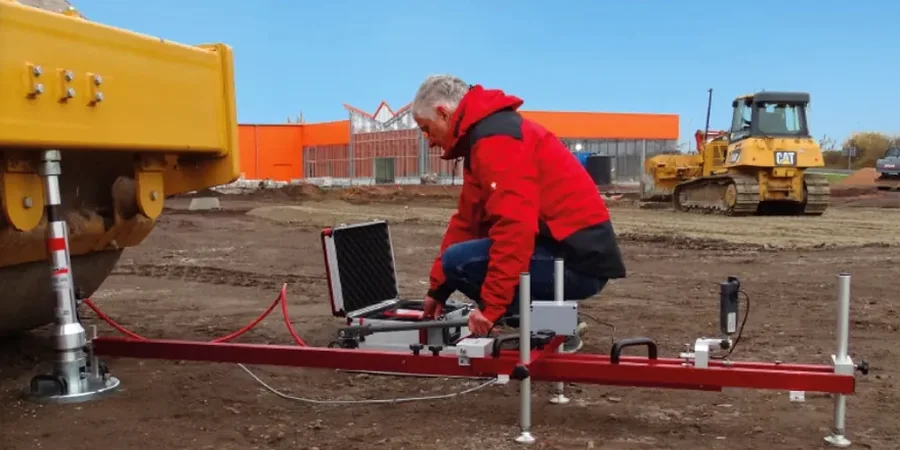
A plate load test in Austin's clay-limestone transition can mean the difference between a 24-inch spread footing and a 48-inch mat foundation.