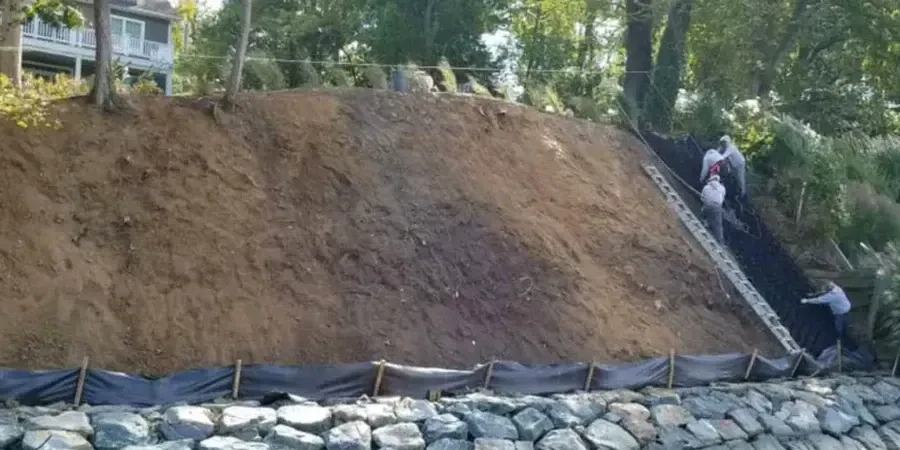
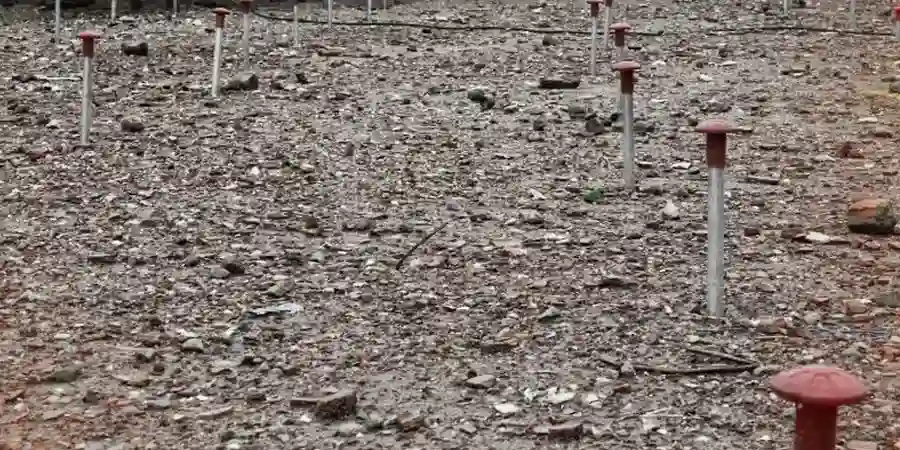
Austin receives around 34 inches of rain annually, and its rapid urban growth has pushed development onto terrains with widely varying permeability. The Edwards Aquifer recharge zone, which covers parts of the city, creates a unique challenge: building on fractured limestone can lead to sudden water inflows or foundation drainage issues. That's why we perform field permeability tests using the Lefranc and Lugeon methods to quantify hydraulic conductivity directly on site. Before any deep excavation or retaining wall project, understanding how water moves through the ground is critical. Combining this with a plate load test helps verify bearing capacity under saturated conditions, while instrumentation tracks real-time pore pressure changes during construction.
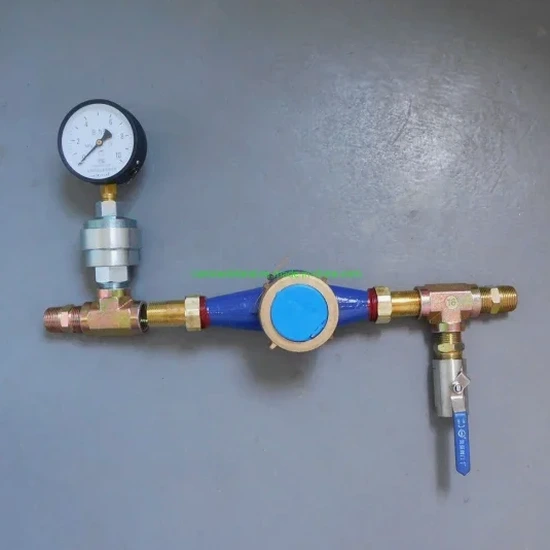
In Austin's fractured limestone, a single Lugeon test can reveal permeability differences of three orders of magnitude within the same borehole.