AUSTIN US
AUSTIN

Geotechnical Engineering Services in Austin

Rigorous testing. Clear reporting.

LEARN MORE

Austin’s rapid growth demands geotechnical expertise that understands local ground behavior. Our firm delivers comprehensive site characterization, foundation design, subsurface investigation, and construction monitoring across the region. We combine consolidated regional experience with calibrated equipment to provide code-compliant reports that support safe, efficient development. From residential subdivisions to commercial towers, our team integrates site-response-analysis and field-permeability testing to address Austin’s unique subsurface conditions. Whether you’re building on the Edwards Plateau or the Blackland Prairie, we offer practical solutions grounded in local knowledge and national standards.
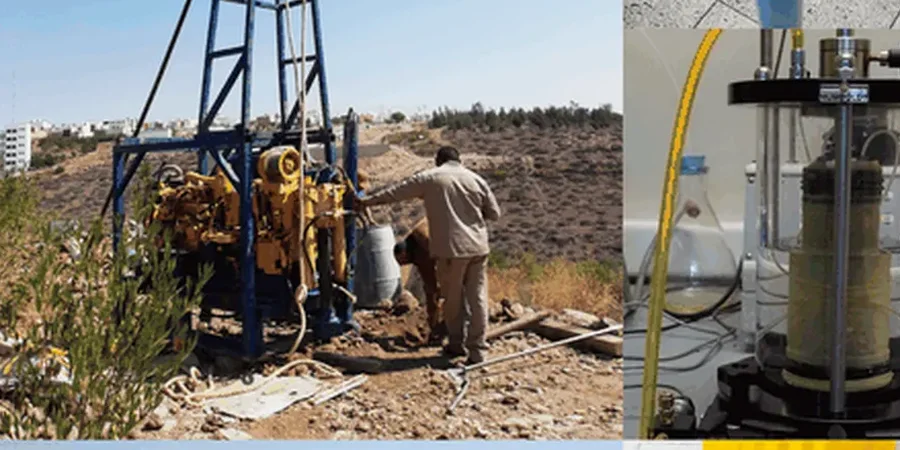
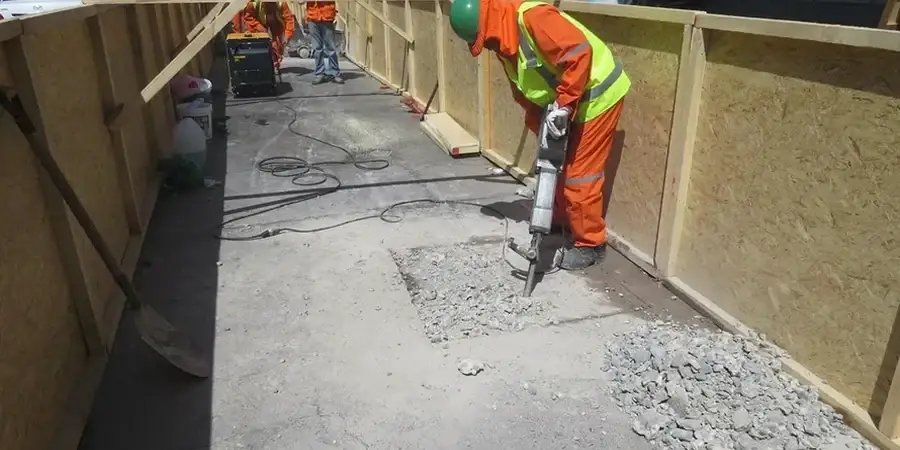
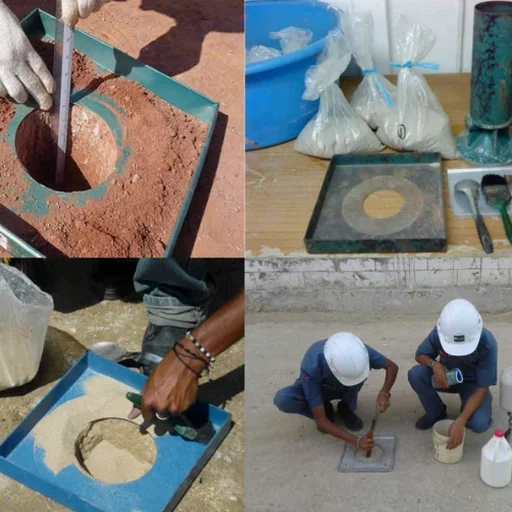
Illustrative image of Soil mechanics study in Austin
Technical reference — Austin

Our service areas

Local geology


Austin sits at the boundary of the Edwards Plateau and the Blackland Prairie, underlain by Cretaceous-age limestone, marl, and clay. The Edwards Limestone formation dominates the western hills, creating karst features such as solution cavities, fractures, and sinkholes that require careful subsurface evaluation. In the eastern and southern parts of the city, thick sequences of Taylor Marl and Ozan Formation clay present challenges for foundation design due to high plasticity and shrink-swell potential. Groundwater occurs in perched zones within the weathered limestone and as a regional aquifer in the Edwards formation, with water tables fluctuating seasonally. The Balcones Fault Zone, which runs through the area, introduces seismic considerations for critical infrastructure. Additionally, localized deposits of alluvial sand and gravel along the Colorado River require specialized drainage and compaction analysis for riverfront projects.

Relevant standards

Our work in Austin adheres to U.S. geotechnical standards including ASTM D1586 for Standard Penetration Test procedures, ASTM D4318 for Atterberg limits, and ASTM D2435 for consolidation testing. Seismic design follows ASCE 7-22, particularly for sites within the Balcones Fault Zone. We also reference the International Building Code (IBC) for foundation and excavation requirements, and the Texas Department of Transportation (TxDOT) guidelines for infrastructure projects. All reports are prepared under the supervision of a licensed Professional Engineer in Texas, ensuring full compliance with local regulations.

Need a geotechnical assessment?

Reply within 24h.

Email: contact@geotechnicalengineering1.com

Visual overview

Why choose us

Our team brings deep familiarity with Austin’s regulatory environment, including coordination with the City of Austin Development Services Department and Travis County engineering offices. We maintain a calibrated on-site laboratory for index property testing and use equipment tailored to the region’s stiff clays and karst limestone. Our engineers routinely collaborate with local contractors for test pit excavations and monitoring well installations. By staying engaged with the local geotechnical community and participating in industry groups like the Austin Geo-Institute Chapter, we deliver reliable, defensible recommendations that align with both project schedules and budget constraints.

FAQ

What are the most common soil issues for residential foundations in Austin?

The most frequent issues stem from expansive clays, particularly the Taylor Marl and Ozan Formation, which can cause significant foundation movement due to seasonal moisture changes. Many homes also encounter karst-related voids in the Edwards Limestone, requiring specialized testing like differential-settlement-analysis to assess risk. Proper site drainage and foundation design—such as deep piers or post-tensioned slabs—are essential to mitigate these conditions.

How deep do your borings go for a typical commercial project in Austin?

Boring depths vary based on the proposed structure and subsurface conditions, but for mid-rise buildings we typically extend borings to 30 to 50 feet to penetrate through the weathered zone into competent limestone or stiff clay. For projects near the Colorado River, deeper borings may be required to assess alluvial deposits. We always follow ASTM D1586 guidelines and adjust depths based on field observations.

Do you follow specific Texas state regulations for geotechnical reporting?

Yes. While Texas does not have a standalone geotechnical code, we comply with the Texas Engineering Practice Act and the Texas Administrative Code, which require reports to be signed and sealed by a licensed Professional Engineer. We also incorporate the Texas-specific amendments to the IBC, such as those addressing expansive soil treatment and foundation depth requirements in the City of Austin’s Land Development Code.

What is the typical timeline for a geotechnical investigation in Austin?

For a standard commercial site with 4–6 borings, the field work usually takes 2–3 days, followed by 2–3 weeks for laboratory testing, analysis, and report preparation. Projects requiring specialized testing like field-vane-shear or long-term permeability tests may extend the schedule. We coordinate closely with the client and contractor to align timelines with project milestones.

Location and service area

We serve projects across Austin.

Location and service area