AUSTIN US
AUSTIN
HomeInvestigationCalicata exploratoria

Exploratory Test Pit Services in Austin for Reliable Subsurface Data

Rigorous testing. Clear reporting.

LEARN MORE

We follow ASTM D2488 for soil description and ASTM D420 for subsurface exploration. In Austin, the variability between the Taylor Formation clays and the Colorado River alluvium makes direct visual inspection essential. An exploratory test pit lets us see the actual soil profile, photograph it, and log it on site. This beats relying solely on borehole logs when you need to verify shallow bedrock depth or check for undocumented fill. We dig to safe depths, typically 10 to 15 feet, and log every layer. Before placing footings or running utilities, this method gives you the clearest picture of what lies beneath.
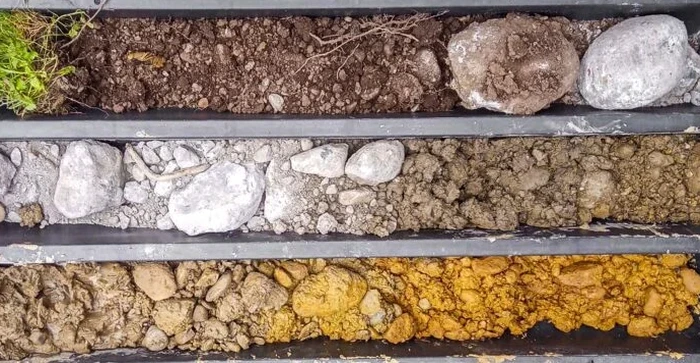
Illustrative image of Exploratory test pit in Austin
Seeing the soil in place — its color, structure, and moisture — tells you more about its behavior than any lab test alone.
Our service areas

Process overview

The difference between soils in West Austin and the eastern side of I-35 is dramatic. West of the Balcones Fault, you hit limestone or marl within a few feet. East Austin, on the other hand, has deep clay deposits from the ancient floodplain. An exploratory test pit reveals these contrasts immediately. We combine this with ensayo SPT borings when we need penetration resistance numbers. For projects near creeks or greenbelts, we also run permeabilidad campo tests inside the pit to measure infiltration rates before designing drainage. The result is a complete picture of the ground conditions without guesswork.
Technical reference — Austin

Local context

Austin grew fast over the past two decades. Many lots were filled, graded, or had old structures removed before new construction. That fill is often undocumented — mixed with construction debris, organic matter, or random soils. If you build without knowing, differential settlement is almost guaranteed. An exploratory test pit is the only reliable way to identify these buried hazards. We also watch for perched water tables, which are common in the clay layers east of downtown. Catching a high water table during a test pit saves you from a wet excavation later.

Need a geotechnical assessment?

Reply within 24h.

Email: contact@geotechnicalengineering1.com

Visual overview


Relevant standards

ASTM D2488-17 (Soil Description), ASTM D420-18 (Subsurface Exploration), IBC 2021 Chapter 18 (Excavation Safety)

Technical data


ParameterTypical value
Excavation Depth10-15 ft (limited by safe shoring)
Pit Dimensions3 ft wide x 6-10 ft long
Soil Logging StandardASTM D2488 (Visual-Manual Procedure)
Fill DetectionVisible debris, color changes, loose zones
Water Table ObservationRecorded at time of excavation, seepage noted
Photographic RecordOblique and vertical wall photos per ASTM D420

FAQ

How deep can you dig a test pit in Austin?

We typically dig to 10 or 12 feet, but we go deeper if we can safely shore or slope the sides. Austin's limestone bedrock is often within 5 to 8 feet on the west side, so pits are shallower there. On the east side, clay allows us to reach 15 feet in stable conditions. Safety is our limit — we never over-excavate without proper shoring.

What is the difference between a test pit and a borehole?

A test pit lets you see the actual soil layers in place. You can photograph the wall, feel the clay, and spot debris or fill immediately. A borehole gives you a thin core or disturbed cuttings — you rely on the driller's log. For shallow foundations, retaining walls, or utility trenches, the exploratory test pit is far more informative. We often recommend both: a pit for visual confirmation and a borehole for deeper data.

How much does an exploratory test pit cost in Austin?

For a standard pit with logging and sampling, expect between $440 and $870 depending on depth, access, and whether we need an excavator or can use a mini-excavator. If we add in-situ density testing or infiltration tests, the cost goes up slightly. It is still cheaper than mobilizing a drill rig for many shallow projects.

Can you dig a test pit near existing structures or utilities?

Yes, but we need utility locates first. We coordinate with Texas 811 and review any as-built drawings you have. We hand-excavate within 2 feet of known lines. In tight backyards or between houses, a mini-excavator fits through standard gates. We also watch for overhead power lines. Safety clearances are non-negotiable.

Location and service area

We serve projects across Austin.

Location and service area